Isoniazid Neuropathy and Vitamin B6: USMLE Question (Answer)
Answer and explanation: why isoniazid causes peripheral neuropathy and how vitamin B6 prevents it, plus the key side effects of other TB drugs.

Answer and explanation: why isoniazid causes peripheral neuropathy and how vitamin B6 prevents it, plus the key side effects of other TB drugs.
Five USMLE pharmacology questions with answers and explanations: warfarin reversal, ACE inhibitor cough, acetaminophen overdose, aminoglycosides, and statin myopathy.
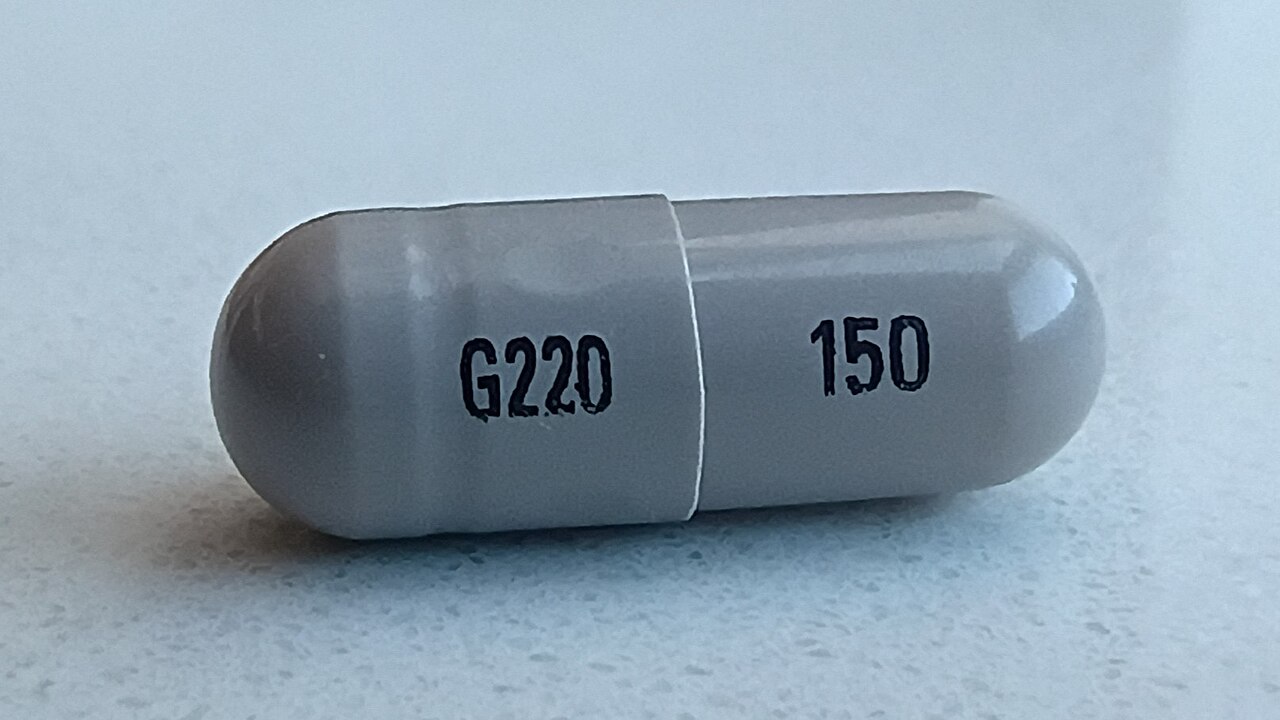
This is the answer and explanation for USMLE Question #15 from the Dr. Ray Makar Facebook page. Try it first, then check your answer below. The Question A 34-year-old woman with bipolar disorder has been taking lithium for 5 years. She now has polyuria and polydipsia. Urine osmolality stays low after water deprivation and after … Read more

These 15 board-style pharmacology questions cover the drug facts that come up again and again on medical school exams and the USMLE: receptors, classic side effects, toxicities and key mechanisms. Pick an answer, then open Answer and Explanation to check yourself. Questions written by Dr. Ray Makar, retired dermatologist and USMLE teacher. Autonomic and Cardiovascular … Read more

Q- A 70-year-old patient with atrial fibrillation is prescribed digoxin. Which of the following findings suggests toxicity? A- Bradycardia and yellow vision B- Diarrhea and flushing C- Muscle twitching and dry mouth D- Tremor and hyperthermia Q- A 30-year-old man develops flushing after taking niacin for hyperlipidemia. What mechanism causes this side effect? A- … Read more
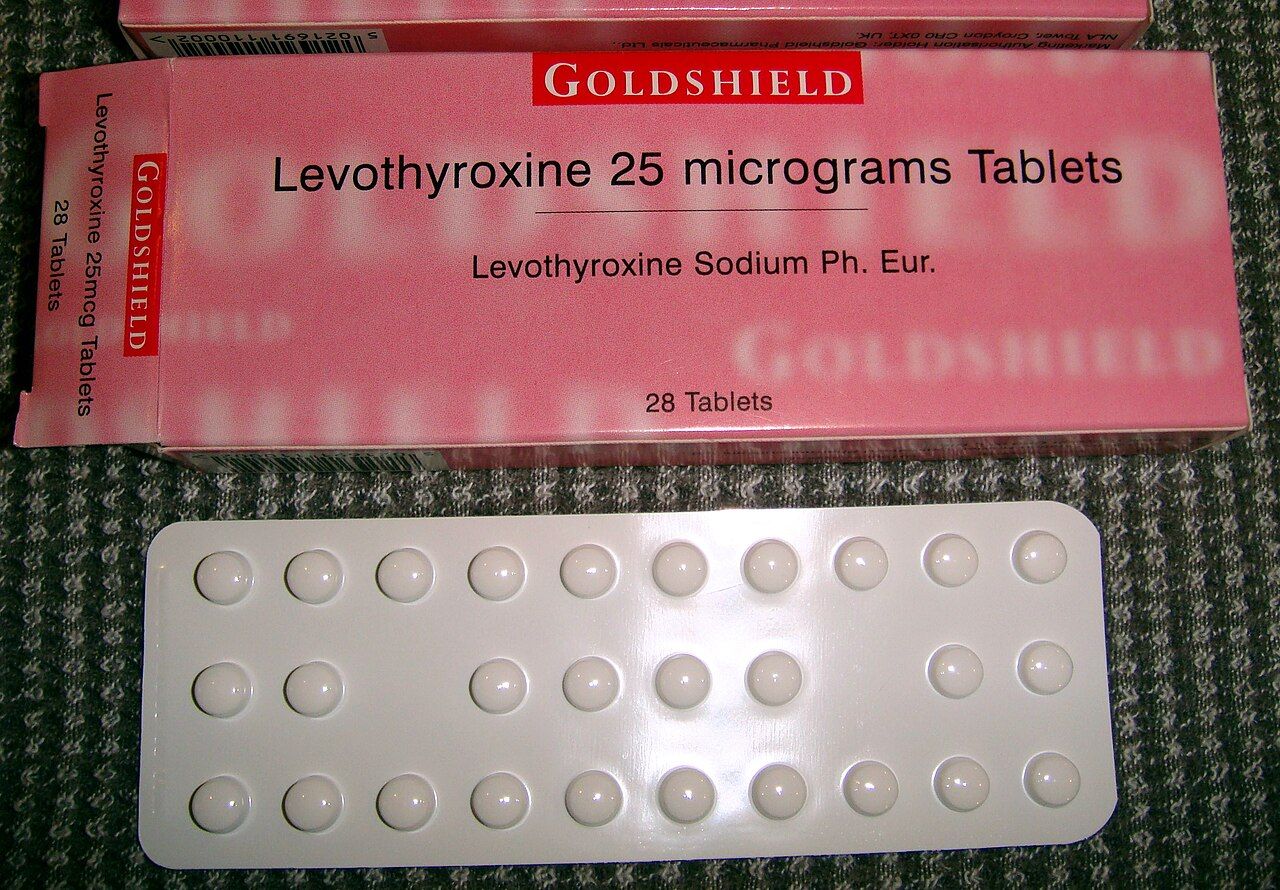
Q- A 35-year-old woman presents with weight gain, fatigue, and constipation. She is diagnosed with hypothyroidism and started on levothyroxine. Which of the following mechanisms best describes the action of this drug? A- Blocks TSH secretion B- Inhibits thyroid peroxidase C- Replaces deficient thyroid hormone D- Stimulates iodine uptake Q- Which of the following … Read more