
This is the answer and explanation for USMLE Question #15 from the Dr. Ray Makar Facebook page. Try it first, then check your answer below.
The Question
A 34-year-old woman with bipolar disorder has been taking lithium for 5 years. She now has polyuria and polydipsia. Urine osmolality stays low after water deprivation and after desmopressin. What is the most likely diagnosis?
A. Central diabetes insipidus
B. Nephrogenic diabetes insipidus
C. Primary polydipsia
D. SIADH
Correct Answer: B. Nephrogenic diabetes insipidus
Lithium enters the collecting duct cells through sodium channels (ENaC) and blocks their response to ADH. The kidneys cannot concentrate urine, so urine stays dilute even after water deprivation and after desmopressin (synthetic ADH). That failure to respond to desmopressin is what makes it nephrogenic.
Why the Other Answers Are Wrong
- Central DI: the pituitary does not make enough ADH, so urine concentrates after desmopressin.
- Primary polydipsia: excess water drinking; urine concentrates with water deprivation.
- SIADH: too much ADH, so urine is inappropriately concentrated with low serum sodium, the opposite picture.
High-Yield Pearl
Treat lithium-induced nephrogenic DI by stopping lithium if possible. Amiloride blocks lithium entry into collecting duct cells, and thiazides help by causing mild volume depletion. Other causes of nephrogenic DI: hypercalcemia, hypokalemia, demeclocycline.
📘 Want more questions like this? Get Pharmacology MCQs for Medical and Pharmacy Students on Amazon.
More free practice: practice questions with explanations · all practice questions
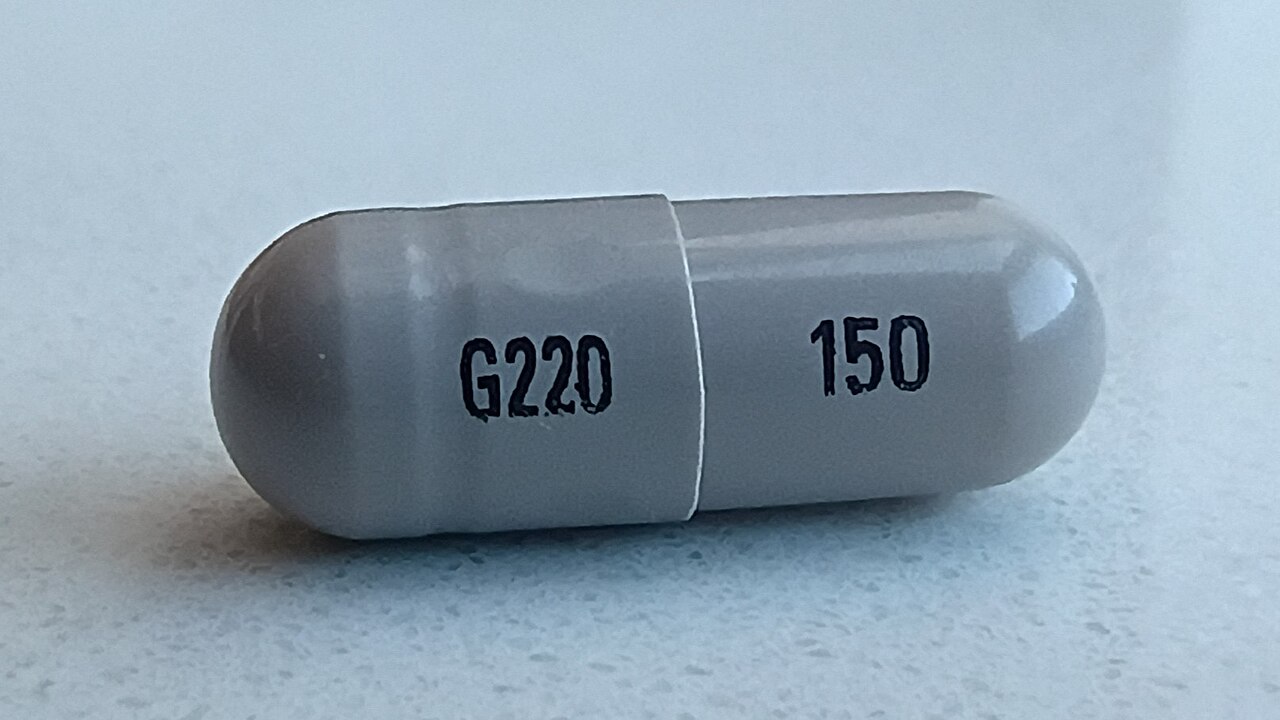
Featured image: P3829, CC0, via Wikimedia Commons
Assalamo Alikum. Yes. Want more discussion.
Wa3alykom Assalam, I post as much questions as I can. Thank you dear doctor.