
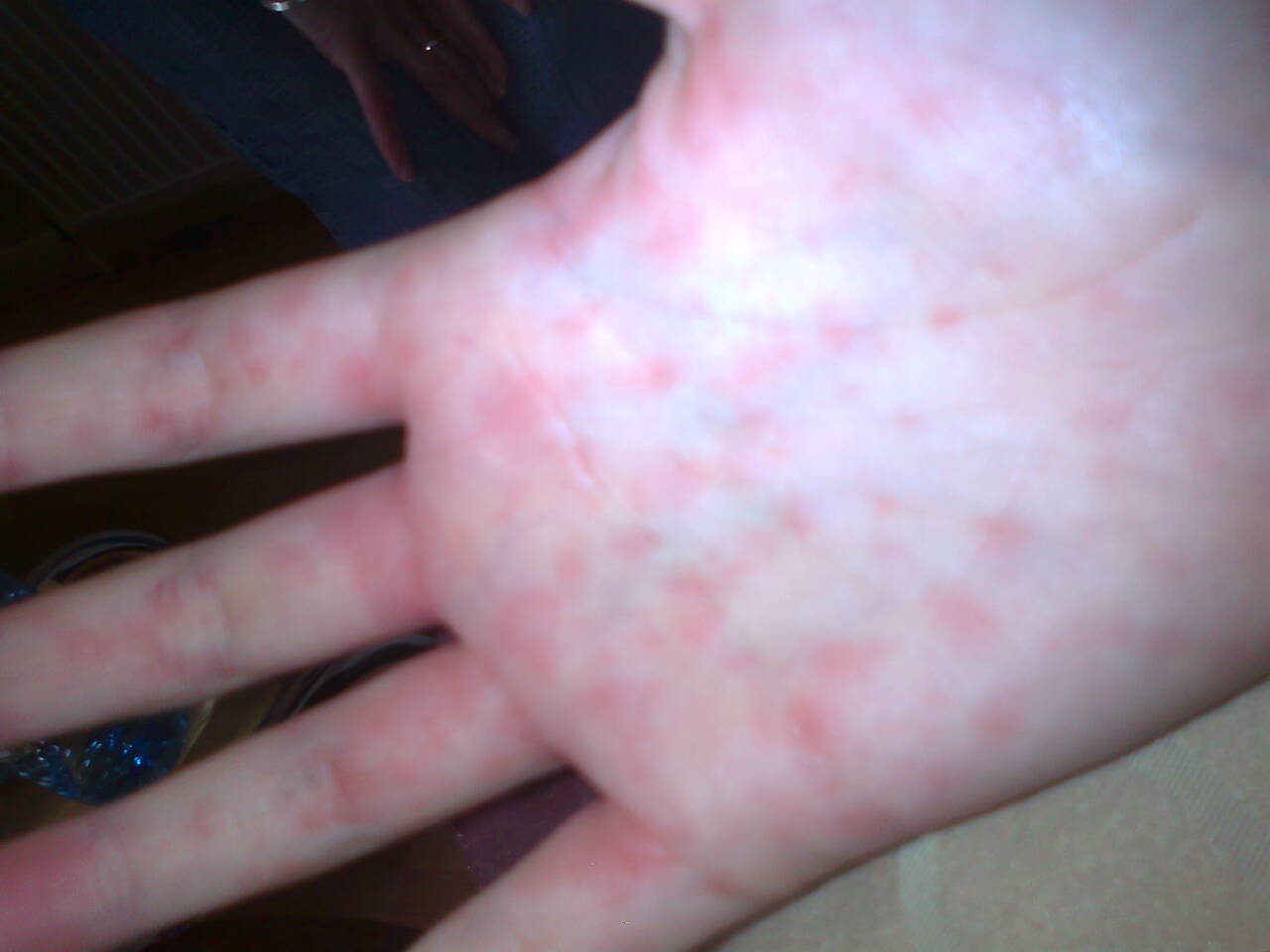
This is the answer and explanation for USMLE Question #16 from the Dr. Ray Makar Facebook page. Try it first, then check your answer below.
The Question
A 19-year-old college student has fever, sore throat, posterior cervical lymphadenopathy and splenomegaly. He develops a diffuse rash after taking amoxicillin. What is the most likely cause?
A. Cytomegalovirus
B. Epstein–Barr virus
C. Streptococcus pyogenes
D. Acute HIV infection
Correct Answer: B. Epstein–Barr virus
This is infectious mononucleosis. Fever, pharyngitis, posterior cervical nodes and splenomegaly in a young adult are classic, and a widespread maculopapular rash after amoxicillin or ampicillin is a well-known clue. Diagnose with the heterophile (Monospot) antibody test; the blood smear shows atypical lymphocytes (reactive CD8+ T cells).
Why the Other Answers Are Wrong
- CMV: can cause a mono-like illness, but it is heterophile-negative, with less pharyngitis and lymphadenopathy.
- Streptococcus pyogenes: causes exudative pharyngitis with anterior nodes, but not splenomegaly or the amoxicillin rash.
- Acute HIV: can cause fever, rash and nodes, but the amoxicillin rash and splenomegaly point to EBV.
High-Yield Pearl
Patients with mono should avoid contact sports for at least 3–4 weeks because of the risk of splenic rupture. EBV infects B cells through CD21 and is linked to Burkitt lymphoma, Hodgkin lymphoma and nasopharyngeal carcinoma.
📘 Want more questions like this? Get Repeated USMLE Questions Step 1 Review Vol 3 on Amazon.
More free practice: practice questions with explanations · all practice questions
Featured image: RainbowKatie, CC BY-SA 3.0, via Wikimedia Commons