Questions and Answers for Medical Students- Pathology- 4
Five USMLE Step 1 pathology questions with answers and explanations: types of necrosis, amyloidosis, tumor markers, fever mediators, and Barrett esophagus.

Five USMLE Step 1 pathology questions with answers and explanations: types of necrosis, amyloidosis, tumor markers, fever mediators, and Barrett esophagus.
This is the answer and explanation for USMLE Question #19 from the Dr. Ray Makar Facebook page. Try it first, then check your answer below. The Question A biopsy of an irregular, multicolored pigmented lesion on the back confirms malignant melanoma. Which factor is most important for prognosis? A. Breslow thickness (depth of invasion)B. Diameter … Read more

These 12 board-style pathology questions cover findings that appear again and again on medical school exams and the USMLE: classic lab clues, autoantibodies, tumor markers and disease mechanisms. Pick an answer, then open Answer and Explanation to check yourself. Questions written by Dr. Ray Makar, retired dermatologist and USMLE teacher. Inflammation and Autoimmune Disease Q1. … Read more
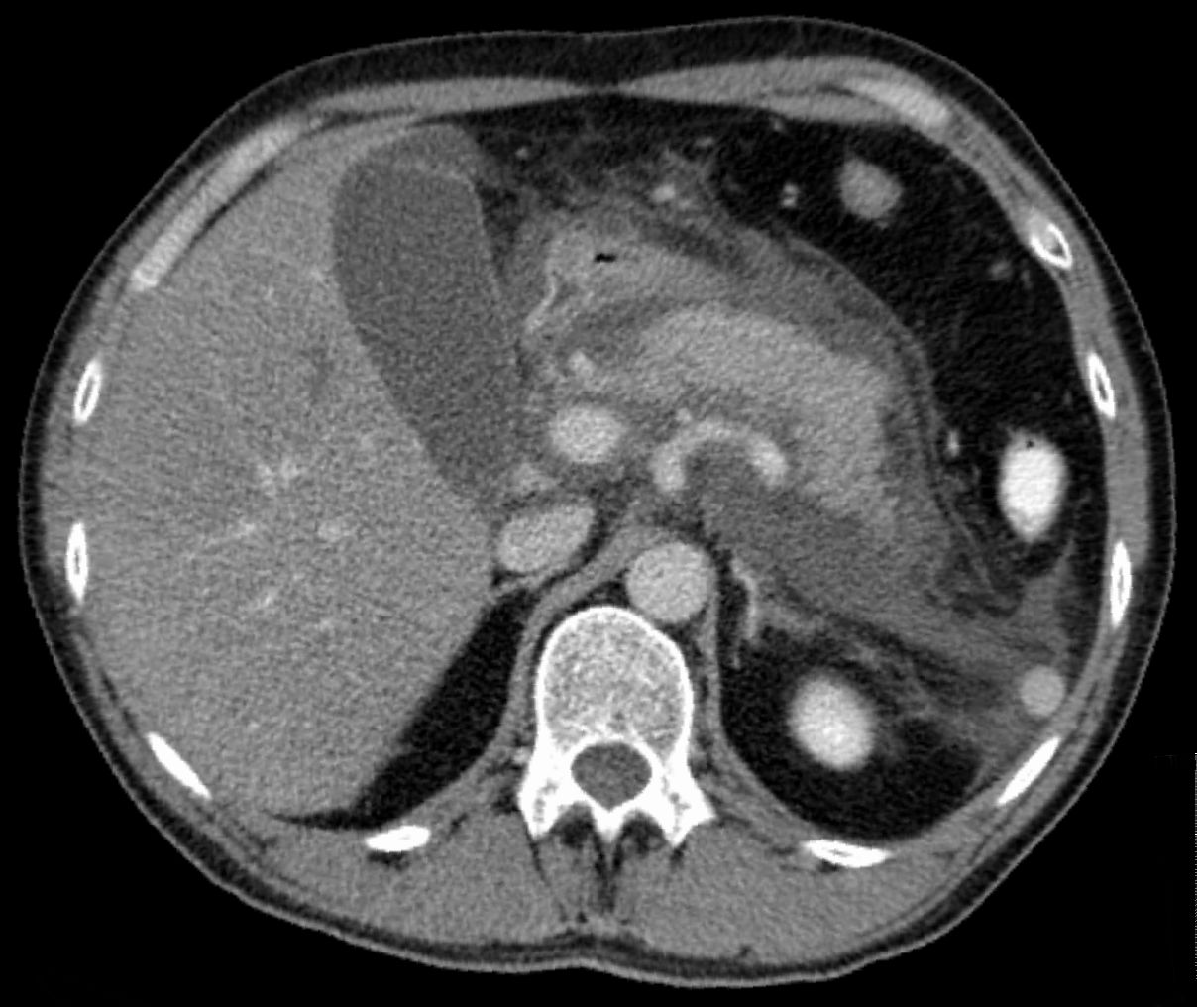
Q- A 67-year-old woman presents with fatigue and bone pain. Serum protein electrophoresis reveals an M spike. A bone marrow biopsy shows: >10% plasma cells. Which additional finding is most likely revealed in this patient? A- Auer rods B- Bence Jones proteins in urine C- Hypersegmented neutrophils D- Reed-Sternberg cells Q- A patient develops … Read more

Q- Which one of the following conditions is characterized by the flattening of intestinal villi? A- Celiac disease B- Crohn’s disease C- Duodenal ulcer D- Ulcerative colitis Q- Anti-mitochondrial antibodies are most likely found in patients with which one of the following conditions? A- Gastric ulcer B- Primary biliary cirrhosis C- Rheumatic fever D- Viral … Read more

Q- A 24-year-old woman complains of arthralgias and chest pain for 2 years. Chest examination reveals a friction rub and dullness to percussion on the back. A chest x-ray shows bilateral pleural effusions. What is the next step in the patient’s workup? A- Antinuclear antibody test B- CD4 lymphocyte count C- Erythrocyte sedimentation rate D- … Read more